Finding Problems Before Replacing Parts
Engine Diagnostics in Missoula for Vehicles Displaying Warning Lights, Rough Idling, or Reduced Fuel Efficiency
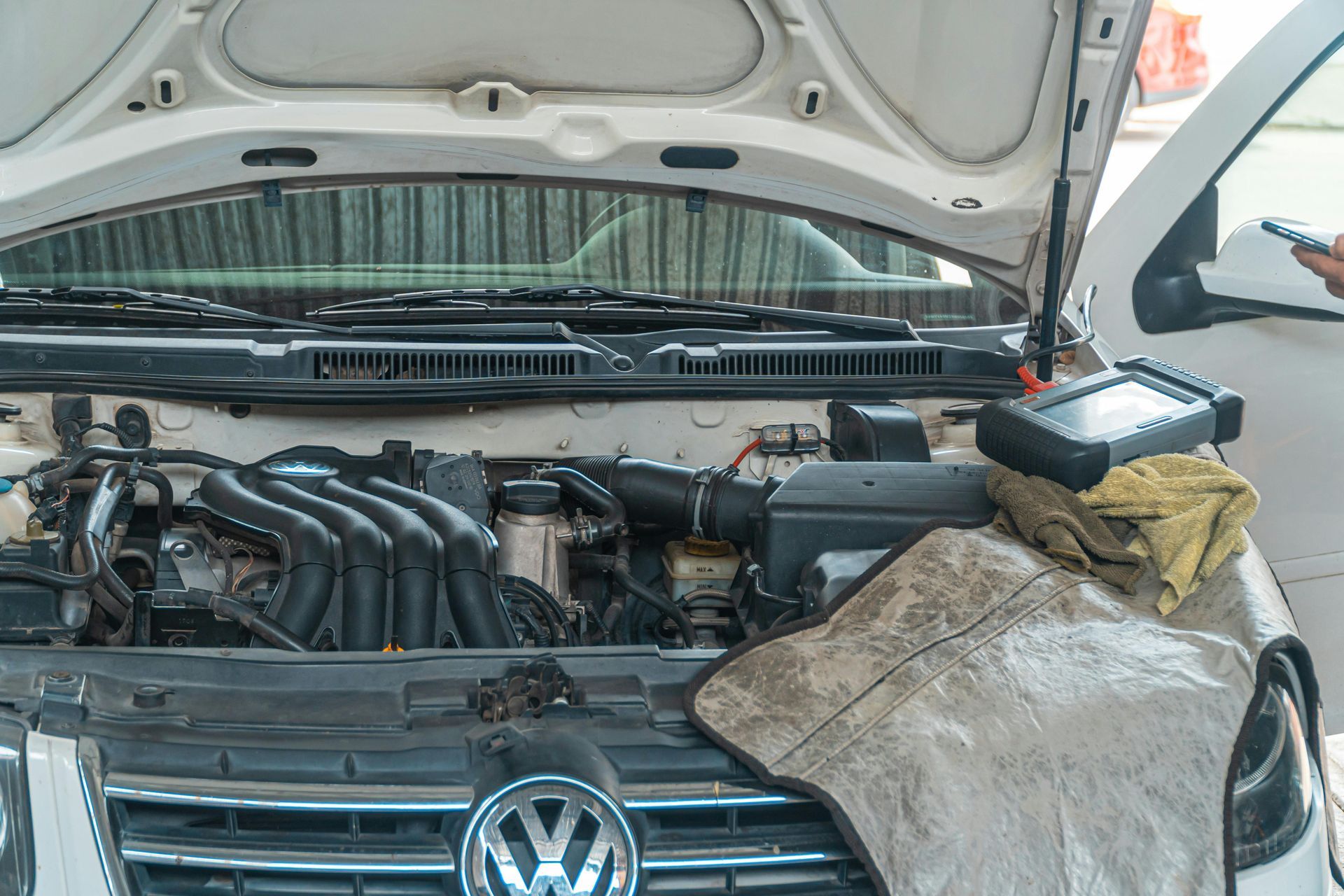
Check engine lights and drivability problems often point to multiple possible causes, making accurate diagnosis essential before attempting repairs. Engine diagnostics identify the specific mechanical or electrical failures producing symptoms such as rough idling, stalling, starting difficulties, or performance loss during acceleration. Missoula Automotive and Transmission uses professional diagnostic tools to retrieve fault codes, monitor sensor data in real time, and test component function across domestic and foreign vehicle systems, preventing unnecessary part replacement and isolating the actual source of operational problems.
Diagnostic procedures test ignition timing, fuel delivery pressure, exhaust oxygen content, and computer system communication to determine whether problems originate in sensors, actuators, wiring, or mechanical components like valves and compression rings. Proper diagnosis distinguishes between failed parts and secondary symptoms, since a single vacuum leak can trigger multiple fault codes that superficially suggest unrelated failures.
Schedule a diagnostic evaluation to identify the root cause of engine performance concerns rather than replacing components based on speculation.
What Engine Diagnostics Actually Accomplish
Diagnostics begin with scanning for stored and pending trouble codes, then proceed to live data analysis that reveals real-time sensor readings and control module commands during engine operation. Technicians compare actual sensor values against manufacturer specifications to identify out-of-range readings that indicate component degradation, such as oxygen sensors reporting implausible air-fuel ratios or throttle position sensors showing erratic voltage patterns.
Once diagnostics pinpoint the failed component, you receive clear information about what needs repair, why the problem developed, and what symptoms will resolve after the work is completed. This transparency prevents the frustration of replacing parts that don't address the underlying issue, which commonly occurs when visual inspections alone guide repair decisions without confirming electrical function or mechanical tolerances.
Diagnostic findings also reveal whether problems exist in isolation or indicate broader system degradation, such as catalytic converter failure caused by prolonged oil consumption that requires addressing both the emissions component and the engine wear producing contaminants.
Common Diagnostic Questions
Understanding how modern diagnostics work helps explain why accurate testing saves time and money compared to trial-and-error part replacement.
What causes check engine lights to illuminate intermittently?
Intermittent faults typically originate in loose electrical connections, borderline sensor readings, or problems that only occur under specific operating conditions like cold starts or sustained highway speeds. Diagnostic tools capture these transient events by monitoring all system parameters simultaneously to identify patterns that trigger fault detection.
How do diagnostic tools differ from code readers available at parts stores?
Professional scan tools access manufacturer-specific data and perform bidirectional tests that command individual components to activate, allowing technicians to verify proper function beyond simply reading stored codes. This capability distinguishes between failed sensors and the wiring or modules that control them.
Why does rough idling occur even when no warning lights appear?
Rough idle can result from vacuum leaks, dirty fuel injectors, carbon buildup on intake valves, or worn ignition components that fall below fault thresholds but still affect combustion quality. Live data analysis during idle reveals misfires, air-fuel imbalances, and ignition timing variations that explain the symptom even without triggering diagnostic codes.
When should diagnostics be performed after noticing reduced fuel efficiency?
Declining fuel economy often develops gradually as sensors drift out of calibration or mechanical wear reduces compression efficiency. Early diagnosis identifies the cause before efficiency loss becomes severe, since problems like failing oxygen sensors continuously misinform the engine computer about combustion quality, leading to progressively worse fuel metering and eventual catalytic converter damage.
What information do diagnostics provide about necessary repairs?
Diagnostic reports detail which system failed, what measurements fell outside specifications, and how the problem affects vehicle operation. Technicians explain repair options, expected outcomes, and whether additional failures may develop if underlying causes aren't addressed, giving you the information needed to make informed decisions about service priorities.
Missoula Automotive and Transmission provides thorough engine diagnostics that identify problems accurately before work begins, preventing wasted expense on unnecessary repairs. Reach the shop at (406) 549-0323 to discuss diagnostic service for any performance or drivability concern affecting your vehicle.