Stopping Distance That Keeps Getting Longer
Brake Repair in Missoula for squeaking, grinding, vibration, and reduced stopping power before safety margins disappear
When your brake pedal feels soft, when you hear grinding during stops, or when your vehicle pulls to one side under braking, the brake system has moved past routine wear into a condition that affects safety. Missoula Automotive and Transmission performs brake inspections, pad replacement, rotor service, fluid checks, and complete brake system repairs for cars, trucks, and SUVs across Missoula. Mountain driving throughout western Montana—long descents that overheat pads, winter conditions that corrode calipers, and stop-and-go traffic that accelerates lining wear—creates brake degradation patterns that differ significantly from flat-highway use.
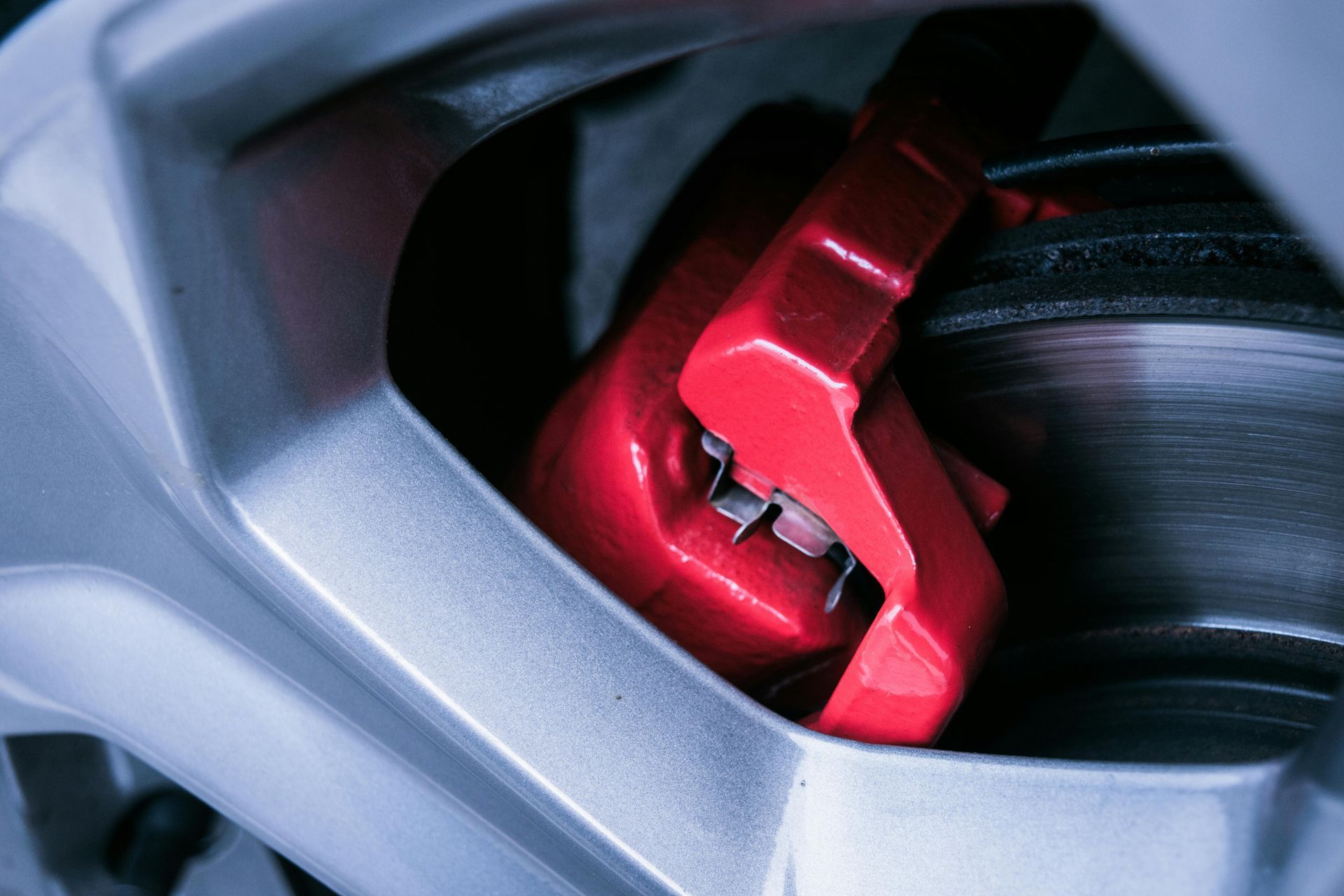
Brake service addresses worn friction material, warped rotors, contaminated fluid, and seized caliper slides that prevent even pad contact. The work involves measuring rotor thickness, checking hydraulic pressure, and inspecting brake lines for corrosion that weakens under freeze-thaw cycles common to the region. Ignoring brake issues doesn't just extend stopping distance—it affects steering control during emergency maneuvers and increases the risk of complete hydraulic failure.
Schedule brake service now if you've noticed any warning signs, rather than waiting until metal-on-metal contact damages rotors beyond resurfacing.
How Brake Service Restores Predictable Stopping
The inspection starts with measuring pad thickness, checking rotor runout with a dial indicator, and testing brake fluid for moisture content that lowers boiling point and causes spongy pedal feel. Technicians identify whether noise stems from wear indicators, whether vibration comes from rotor thickness variation, or whether pulling results from a caliper that no longer releases fully.
Once the work is complete, your vehicle stops in a straight line without pulsation, the pedal feels firm with consistent resistance, and you no longer hear squealing or grinding during normal braking. Quality replacement components restore the friction coefficient needed for predictable deceleration, while resurfaced or replaced rotors eliminate the heat-induced warping that causes vibration through the steering wheel and floorboard.
Brake repairs also include bleeding the hydraulic system to remove air pockets and contaminated fluid, which directly affects pedal response. Work vehicles, family cars, and commuter trucks all depend on even pad wear and proper caliper function, but gravel travel and seasonal weather changes throughout the area introduce abrasive dust and corrosion that accelerate component wear compared to milder climates.
Questions About Brake System Work
Drivers dealing with brake concerns often have similar questions about what the symptoms indicate and how the repairs improve safety.
What does it mean when brakes squeak but still stop the car?
Squeaking usually indicates the wear indicator tab is contacting the rotor, meaning the pad lining is nearly gone, and continuing to drive will score the rotor surface and require more expensive repairs.
Why do brakes feel soft or spongy?
Soft pedal feel indicates air in the brake lines or moisture-contaminated fluid with a lowered boiling point, both of which reduce hydraulic pressure and increase stopping distance under repeated braking.
How does mountain driving affect brake lifespan around Missoula?
Descending mountain grades generates significant heat in the brake system, which glazes pads, warps rotors, and accelerates fluid degradation, making inspection intervals shorter for vehicles regularly driven on steep terrain.
When should brake fluid be replaced?
Brake fluid absorbs moisture over time, and in Montana's climate with seasonal humidity changes, fluid should be flushed every two to three years to maintain proper boiling point and prevent internal corrosion in calipers and master cylinders.
What causes a vehicle to pull to one side during braking?
Pulling typically results from a seized caliper slide pin, a collapsed brake hose restricting fluid flow, or uneven pad wear, all of which prevent equal braking force from reaching both front wheels.
Missoula Automotive and Transmission uses reliable diagnostic methods and quality replacement parts to restore safe braking performance for commuters, families, and work vehicles throughout the region. Request a brake inspection if stopping power has declined or if you've noticed any unusual sounds or pedal changes—addressing problems early protects both safety and your vehicle's long-term value.